
Upcoming CONCERTS.
ALL PERFORMANCES

Othello, OPER WUPPERTAL (PREMIERE)

Dramma lirico in four acts by Giuseppe Verdi · Libretto by Arrigo Boito, based on William Shakespeare’s The Tragedy of Othello · Sung in Italian with German and English surtitles
“I believe in a cruel God who created me in his own image.”
Tormenting jealousy, a lack of impulse control, and a handkerchief that becomes a fatal piece of evidence: Otello should have every reason to be content. Returning victorious from battle, he is lovingly welcomed by his wife, Desdemona. Yet not everyone begrudges the general his success. His ensign, Jago, is consumed by envy and driven by a thirst for power and desire. With calculated cunning, he secretly plants the seed of jealousy in Otello’s mind, setting in motion a chain of events that will ultimately cost more than one person their life.
Young director Katharina Kastening, already known to Wuppertal audiences for her acclaimed production of THUMBPRINT, takes a close and critical look at Verdi’s penultimate opera. She interrogates the work from a nuanced perspective and brings new female viewpoints to the stage. Verdi’s score captivates with its sweeping melodic lines, passionate drama, and a theme that remains disturbingly relevant today—an operatic experience that gets under the skin.
Yorgos Ziavras — Musical Direction
Katharina Kastening — Stage Direction
Matthias Kronfuss — Set Design
Devi Saha — Costume Design
Frouke ten Velden — Video Design
Ulrich Zippelius — Chorus Master
Laura Knoll — Dramaturgy
Charne Rochford — Otello
Zurab Nakeuri — Jago
Milan de Korte, Zicong Han* — Cassio
Sergio Augusto — Roderigo
Oliver Weidinger — Ludovico
David Jerusalem Schnitzler — Montano
Andreas Heichlinger — A Herald
Francesca Chiejina — Desdemona
Edith Grossman, Rosamond Thomas* — Emilia
Opera Chorus of Wuppertaler Bühnen
Extra Chorus of Wuppertaler Bühnen
Wuppertal Symphony Orchestra
Othello, OPER WUPPERTAL
Dramma lirico in four acts by Giuseppe Verdi · Libretto by Arrigo Boito, based on William Shakespeare’s The Tragedy of Othello · Sung in Italian with German and English surtitles
“I believe in a cruel God who created me in his own image.”
Tormenting jealousy, a lack of impulse control, and a handkerchief that becomes a fatal piece of evidence: Otello should have every reason to be content. Returning victorious from battle, he is lovingly welcomed by his wife, Desdemona. Yet not everyone begrudges the general his success. His ensign, Jago, is consumed by envy and driven by a thirst for power and desire. With calculated cunning, he secretly plants the seed of jealousy in Otello’s mind, setting in motion a chain of events that will ultimately cost more than one person their life.
Young director Katharina Kastening, already known to Wuppertal audiences for her acclaimed production of THUMBPRINT, takes a close and critical look at Verdi’s penultimate opera. She interrogates the work from a nuanced perspective and brings new female viewpoints to the stage. Verdi’s score captivates with its sweeping melodic lines, passionate drama, and a theme that remains disturbingly relevant today—an operatic experience that gets under the skin.
Yorgos Ziavras — Musical Direction
Katharina Kastening — Stage Direction
Matthias Kronfuss — Set Design
Devi Saha — Costume Design
Frouke ten Velden — Video Design
Ulrich Zippelius — Chorus Master
Laura Knoll — Dramaturgy
Charne Rochford — Otello
Zurab Nakeuri — Jago
Milan de Korte, Zicong Han* — Cassio
Sergio Augusto — Roderigo
Oliver Weidinger — Ludovico
David Jerusalem Schnitzler — Montano
Andreas Heichlinger — A Herald
Francesca Chiejina — Desdemona
Edith Grossman, Rosamond Thomas* — Emilia
Opera Chorus of Wuppertaler Bühnen
Extra Chorus of Wuppertaler Bühnen
Wuppertal Symphony Orchestra
Othello, OPER WUPPERTAL
Dramma lirico in four acts by Giuseppe Verdi · Libretto by Arrigo Boito, based on William Shakespeare’s The Tragedy of Othello · Sung in Italian with German and English surtitles
“I believe in a cruel God who created me in his own image.”
Tormenting jealousy, a lack of impulse control, and a handkerchief that becomes a fatal piece of evidence: Otello should have every reason to be content. Returning victorious from battle, he is lovingly welcomed by his wife, Desdemona. Yet not everyone begrudges the general his success. His ensign, Jago, is consumed by envy and driven by a thirst for power and desire. With calculated cunning, he secretly plants the seed of jealousy in Otello’s mind, setting in motion a chain of events that will ultimately cost more than one person their life.
Young director Katharina Kastening, already known to Wuppertal audiences for her acclaimed production of THUMBPRINT, takes a close and critical look at Verdi’s penultimate opera. She interrogates the work from a nuanced perspective and brings new female viewpoints to the stage. Verdi’s score captivates with its sweeping melodic lines, passionate drama, and a theme that remains disturbingly relevant today—an operatic experience that gets under the skin.
Yorgos Ziavras — Musical Direction
Katharina Kastening — Stage Direction
Matthias Kronfuss — Set Design
Devi Saha — Costume Design
Frouke ten Velden — Video Design
Ulrich Zippelius — Chorus Master
Laura Knoll — Dramaturgy
Charne Rochford — Otello
Zurab Nakeuri — Jago
Milan de Korte, Zicong Han* — Cassio
Sergio Augusto — Roderigo
Oliver Weidinger — Ludovico
David Jerusalem Schnitzler — Montano
Andreas Heichlinger — A Herald
Francesca Chiejina — Desdemona
Edith Grossman, Rosamond Thomas* — Emilia
Opera Chorus of Wuppertaler Bühnen
Extra Chorus of Wuppertaler Bühnen
Wuppertal Symphony Orchestra
Othello, OPER WUPPERTAL
Dramma lirico in four acts by Giuseppe Verdi · Libretto by Arrigo Boito, based on William Shakespeare’s The Tragedy of Othello · Sung in Italian with German and English surtitles
“I believe in a cruel God who created me in his own image.”
Tormenting jealousy, a lack of impulse control, and a handkerchief that becomes a fatal piece of evidence: Otello should have every reason to be content. Returning victorious from battle, he is lovingly welcomed by his wife, Desdemona. Yet not everyone begrudges the general his success. His ensign, Jago, is consumed by envy and driven by a thirst for power and desire. With calculated cunning, he secretly plants the seed of jealousy in Otello’s mind, setting in motion a chain of events that will ultimately cost more than one person their life.
Young director Katharina Kastening, already known to Wuppertal audiences for her acclaimed production of THUMBPRINT, takes a close and critical look at Verdi’s penultimate opera. She interrogates the work from a nuanced perspective and brings new female viewpoints to the stage. Verdi’s score captivates with its sweeping melodic lines, passionate drama, and a theme that remains disturbingly relevant today—an operatic experience that gets under the skin.
Yorgos Ziavras — Musical Direction
Katharina Kastening — Stage Direction
Matthias Kronfuss — Set Design
Devi Saha — Costume Design
Frouke ten Velden — Video Design
Ulrich Zippelius — Chorus Master
Laura Knoll — Dramaturgy
Charne Rochford — Otello
Zurab Nakeuri — Jago
Milan de Korte, Zicong Han* — Cassio
Sergio Augusto — Roderigo
Oliver Weidinger — Ludovico
David Jerusalem Schnitzler — Montano
Andreas Heichlinger — A Herald
Francesca Chiejina — Desdemona
Edith Grossman, Rosamond Thomas* — Emilia
Opera Chorus of Wuppertaler Bühnen
Extra Chorus of Wuppertaler Bühnen
Wuppertal Symphony Orchestra
Othello, OPER WUPPERTAL
Dramma lirico in four acts by Giuseppe Verdi · Libretto by Arrigo Boito, based on William Shakespeare’s The Tragedy of Othello · Sung in Italian with German and English surtitles
“I believe in a cruel God who created me in his own image.”
Tormenting jealousy, a lack of impulse control, and a handkerchief that becomes a fatal piece of evidence: Otello should have every reason to be content. Returning victorious from battle, he is lovingly welcomed by his wife, Desdemona. Yet not everyone begrudges the general his success. His ensign, Jago, is consumed by envy and driven by a thirst for power and desire. With calculated cunning, he secretly plants the seed of jealousy in Otello’s mind, setting in motion a chain of events that will ultimately cost more than one person their life.
Young director Katharina Kastening, already known to Wuppertal audiences for her acclaimed production of THUMBPRINT, takes a close and critical look at Verdi’s penultimate opera. She interrogates the work from a nuanced perspective and brings new female viewpoints to the stage. Verdi’s score captivates with its sweeping melodic lines, passionate drama, and a theme that remains disturbingly relevant today—an operatic experience that gets under the skin.
Yorgos Ziavras — Musical Direction
Katharina Kastening — Stage Direction
Matthias Kronfuss — Set Design
Devi Saha — Costume Design
Frouke ten Velden — Video Design
Ulrich Zippelius — Chorus Master
Laura Knoll — Dramaturgy
Charne Rochford — Otello
Zurab Nakeuri — Jago
Milan de Korte, Zicong Han* — Cassio
Sergio Augusto — Roderigo
Oliver Weidinger — Ludovico
David Jerusalem Schnitzler — Montano
Andreas Heichlinger — A Herald
Francesca Chiejina — Desdemona
Edith Grossman, Rosamond Thomas* — Emilia
Opera Chorus of Wuppertaler Bühnen
Extra Chorus of Wuppertaler Bühnen
Wuppertal Symphony Orchestra
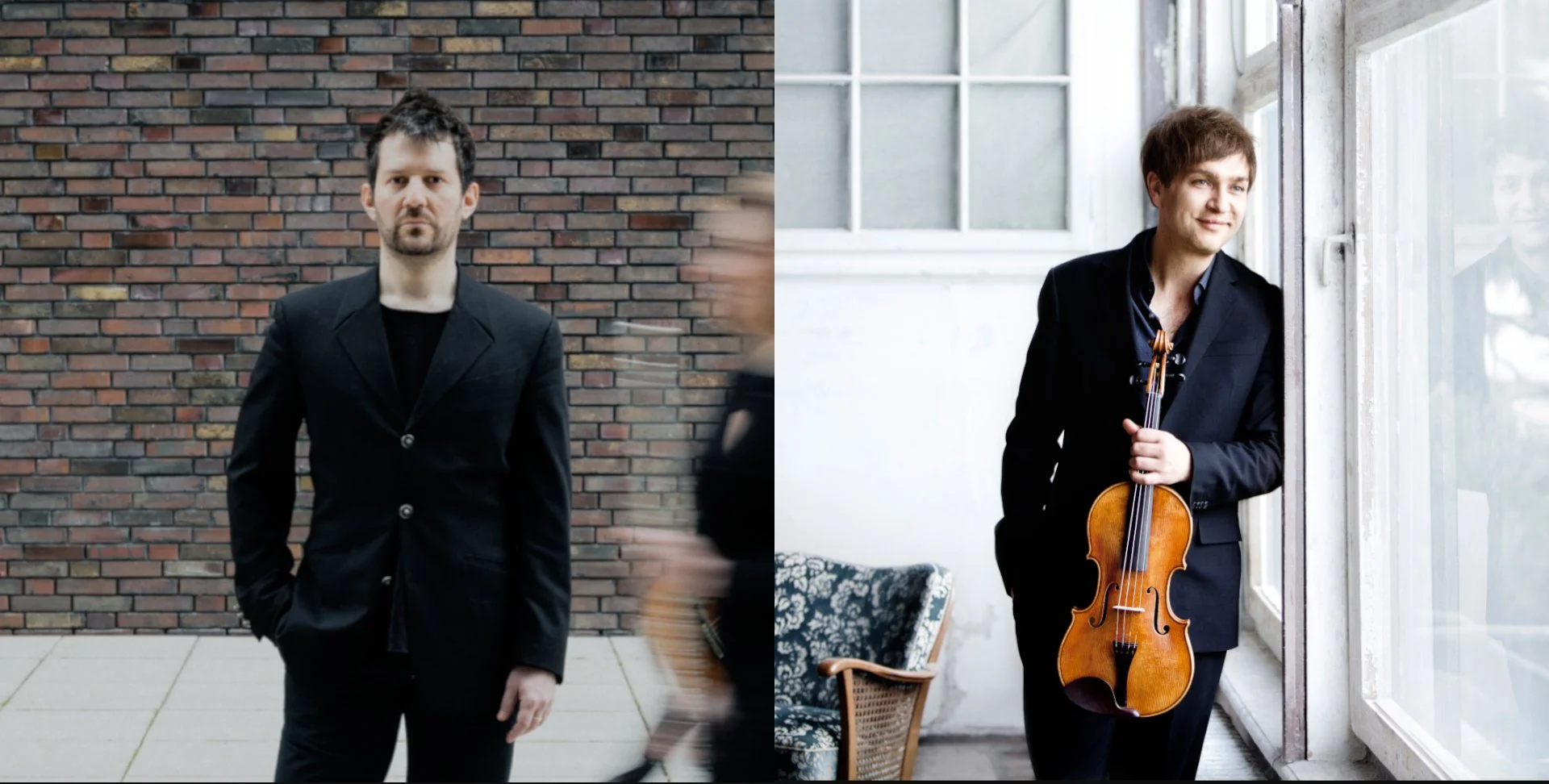
Tchaikovsky – Fourth Symphony
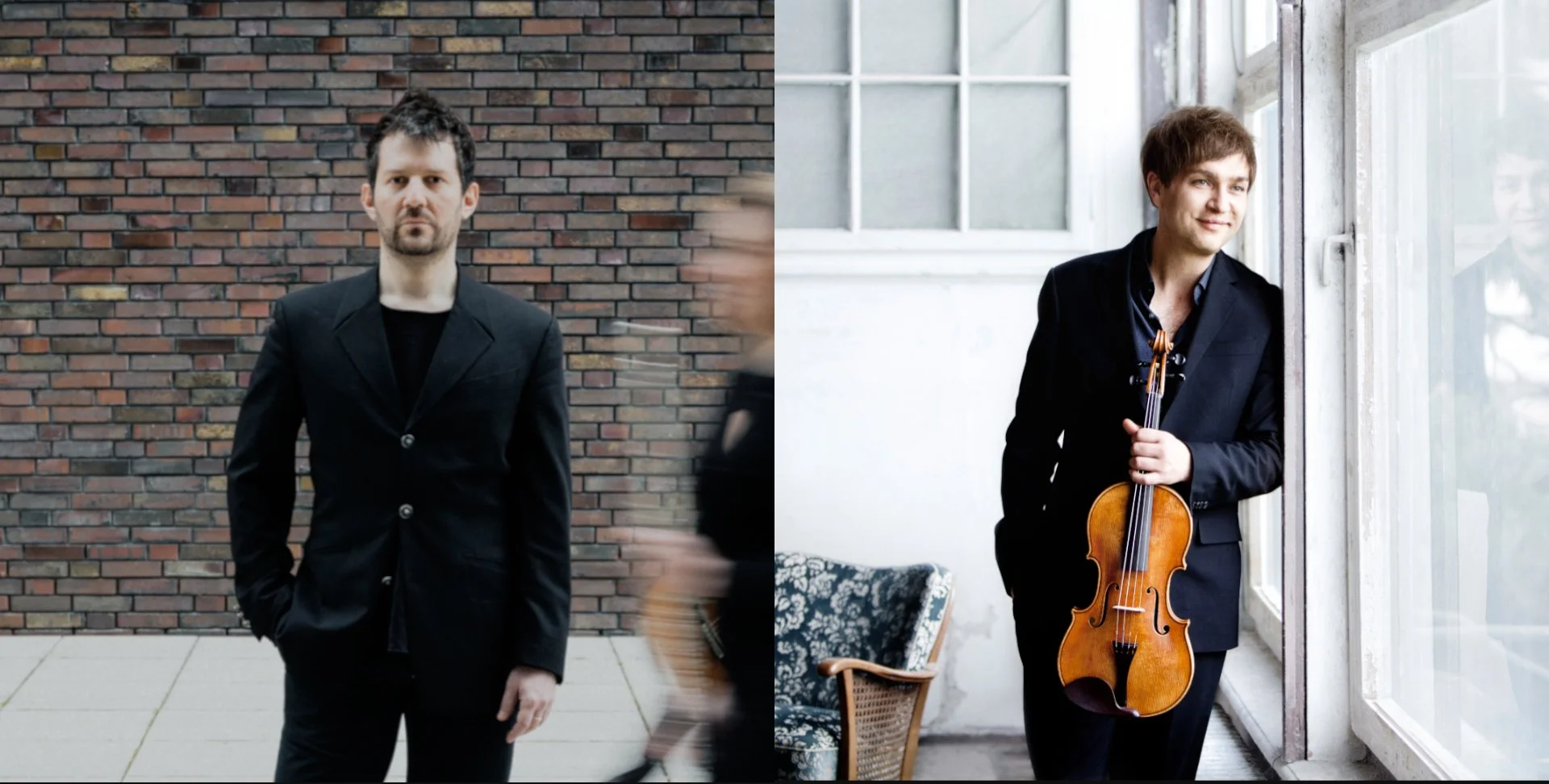
For years, German violist Nils Mönkemeyer has played a leading role in expanding the repertoire of his instrument, both by bringing forgotten works of the past back to light and by championing new music. In this concert, he continues that commitment with the world premiere of a new work by Konstantia Gourzi.
One of the most active and versatile conductors working in Germany and internationally, Yorgos Ziavras brings the analytical clarity and interpretative depth that define his work to Tchaikovsky’s enduring Fourth Symphony, leading the Athens State Orchestra in a performance of intensity, precision and dramatic force.

FOUR SEASONS / perpetuum mobile

The acclaimed British composer Max Richter reapproaches Antonio Vivaldi’s The Four Seasons, creating a new version for strings, harpsichord, harp, and solo violin. This re-signification of the Baroque masterpiece aims to form a work that is both new and timeless—a musical perpetuum mobile: an unceasing oscillation reflecting the passage of life in Prespes.
The stone quarry of Mikrolimni is transformed into a space of living encounter between music, body, and place. A physical performance, directed by Panos Zygouros, unfolds between the seasons, entering into dialogue with the traditions of Prespes, its daily life, its activities, and the interactions that shape existence around the lake. Movement, form, and costume narrate stories of the relationship between humans and their environment, of the cycles of social life, and of how time reshapes both place and people.
The perpetuum mobile does not stop: the seasons follow one another, and life persists. Prespes lives on and continues.
Director’s Note:
Through Max Richter’s contemporary recomposition, Antonio Vivaldi’s The Four Seasons is revived and heard anew from the very beginning. In this performance, the passing and transformation of the seasons are similarly reinterpreted through an alternative perspective: that of the farmers who cultivate beans and organise their lives around the rhythms of the land. Spring now signifies sowing, summer irrigation, and autumn the gathering of the harvest.
In between, there is always time for wine and good food at the local taverna, for celebrations and communal gatherings, and even for a new ambitious music festival in the region — something that feels at once both foreign and deeply familiar. Yet for life to continue flowing smoothly, the weather must remain on their side and the harvest must succeed.
Conductor: Yorgos Ziavras
Director: Panos Zygouros
Solo Violin: Katerina Chatzinikolau
String Orchestra featuring members of the Symphony Orchestra of the City of Athens
Harpsichord: Alexandros Drosos
Harp: Sissy Makropoulou
Performers: Eirini Ligatou, Eleni Filiousi, Alexandra Christodoulea and local Prespa residents.
The production incorporates the participation of local residents as part of the festival’s educational and community engagement mission.
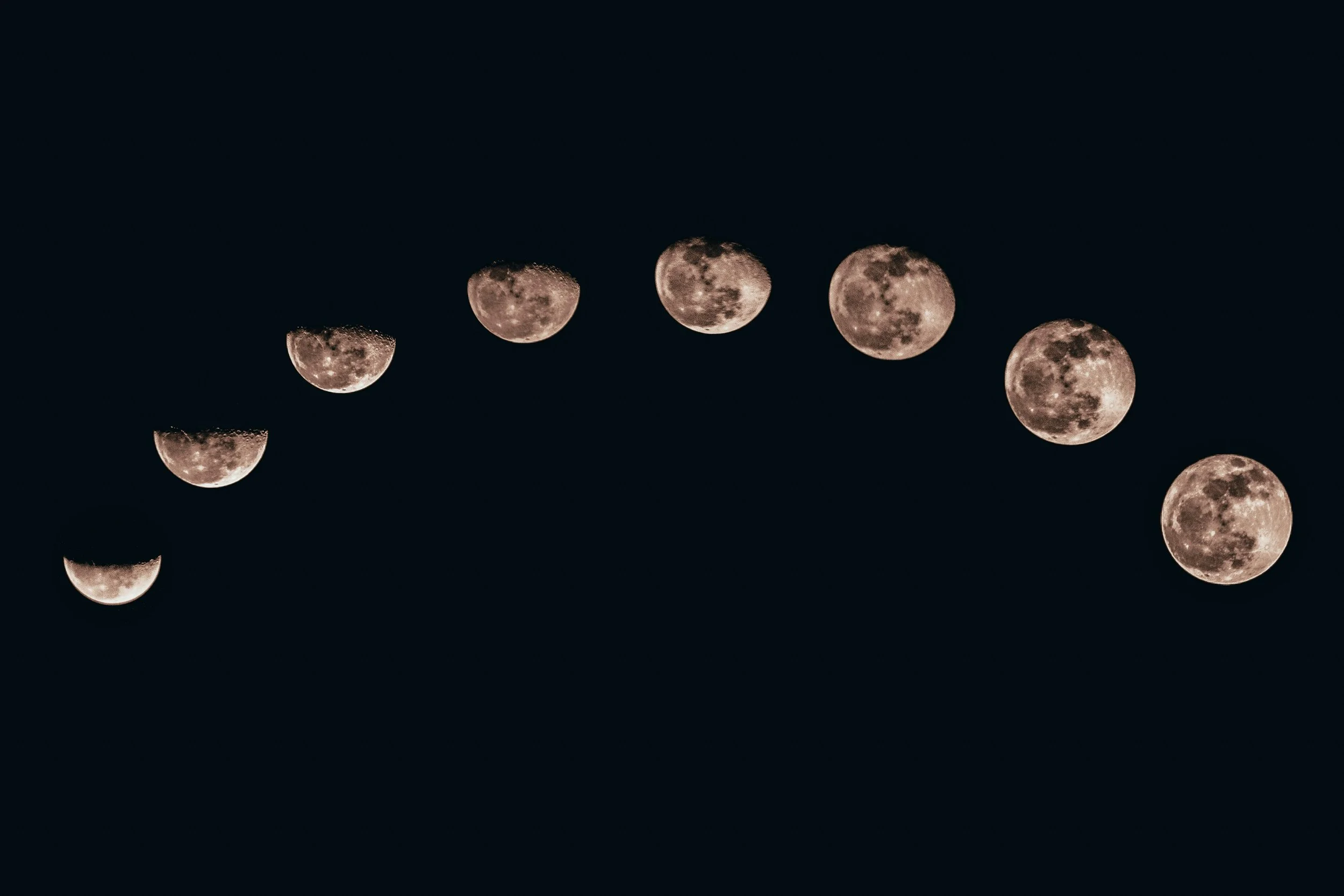
Pierrot Lunaire / Below the moonlight
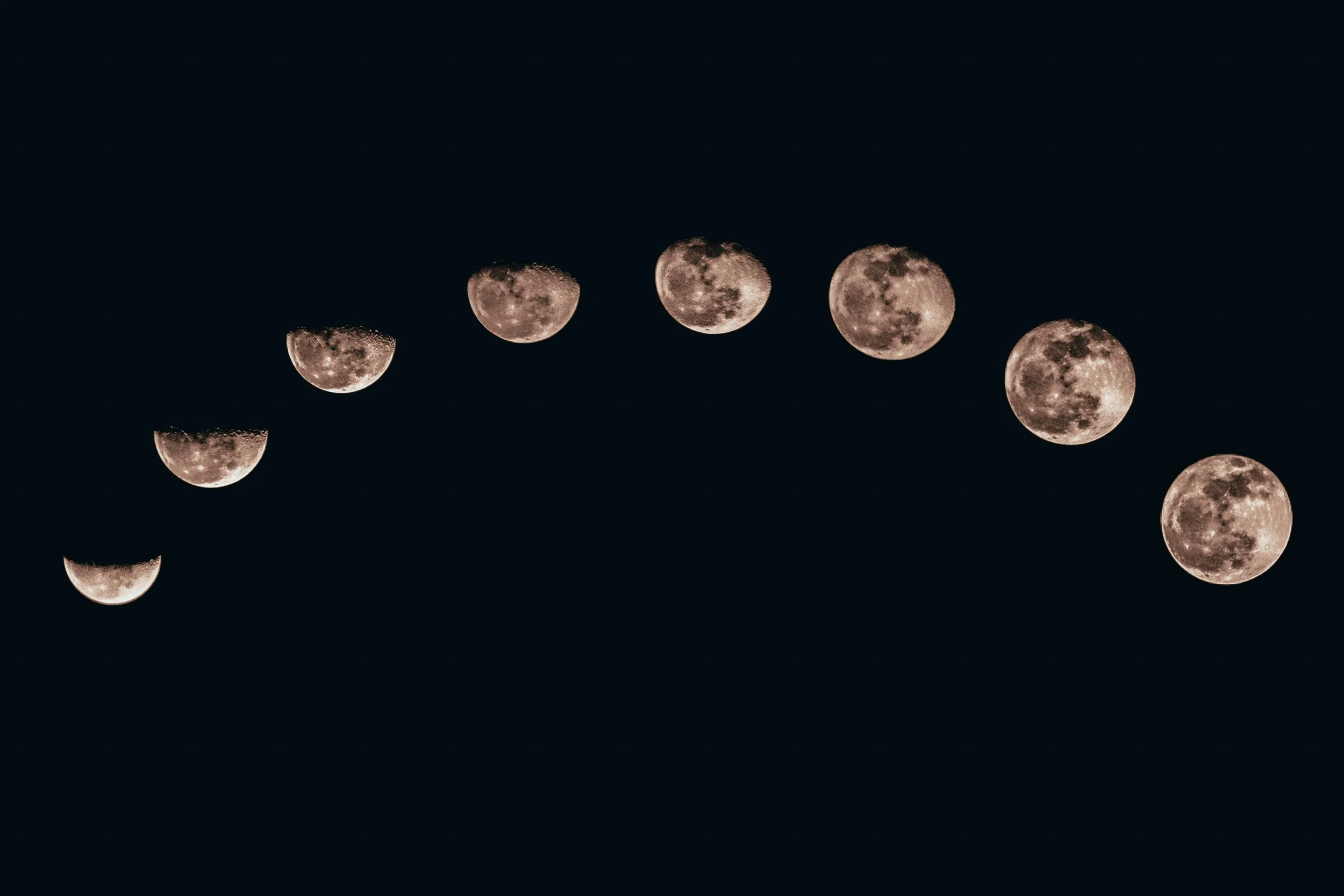
The village fool. The slightly different one—and therefore slightly ostracised. The Pierrot who, whether you like it or not, will connect with your innermost self, because he has no filter. It is remarkable how much more we allow ourselves during Carnival, as if we, too, become a little mad.
The moon: enchanting, unsettling, capable of driving you moon-struck. Above all, it illuminates—allowing you to see things from a different perspective.
On the occasion of 75 years since the death of Arnold Schoenberg, we present his monumental work Pierrot Lunaire.
The mad Pierrot speaks through 21 short poems by Albert Giraud, addressing love, sex, religion, violence, crime, and blasphemy. In the end, he speaks of nostos—his longing for his homeland, Bergamo.
Music from Prespa, associated with Carnival, Farewell, and the Moon, transforms Pierrot into the village fool of each and every one of us. A fool who, wherever he may be and whatever he may be doing, is from time to time haunted by longing for home.
Conductor: Yorgos Ziavras
Quintet featuring Paulo Álvares (piano), Véronique De Raedemaeker (violin & viola), Rebekka Stephan (violoncello), Kostas Tzekos (clarinet & bass clarinet), and Zacharias Tarpagos (flute)
Balkan instrumentalists: Stamatis Pasopoulos, n.n.
Costume Design: Ioanna Tsami
In the role of Pierrot, the acclaimed baritone Georgios Iatrou
Il cappello di paglia di Firenze, oPER WUPPERTAL

Musical farce in four acts by Nino Rota · Libretto by Ernesta Rinaldi and Nino Rota after the comedy Un Chapeau de paille d’Italie by Eugène Marin Labiche and Marc Antoine Amédée Michel · Sung in Italian with German and English surtitles
“Straw is beautiful. It takes a lot to find such a beautiful hat!”
A straw hat as the corpus delicti: while the married Anaide is engaged in an extramarital tête-à-tête, she hangs her straw hat on a tree—only for it to be eaten by Fadinard’s horse. But without the hat, Anaide cannot return home to her husband. It now falls to Fadinard to procure a replacement. This proves to be a difficult undertaking—especially since the whole drama unfolds on his wedding day, with the entire wedding party breathing down his neck. What follows is a wild and breathless chase.
Nino Rota is best known as a film composer, yet his operas are equally guaranteed to entertain. With a keen sense of (theatrical) rhythm and numerous quotations from musical classics—including Gioachino Rossini, Giacomo Puccini and Johann Strauss II—he created a lively opera that delivers great enjoyment right up to its nerve-racking finale.
THE LODGER, OPER WUPPERTAL

© Andrea Voß-Acker
Opera in two acts by Phyllis Tate · Libretto by David Franklin after the novel of the same name by Marie Adelaide Belloc Lowndes · Sung in English with German and English surtitles
“I once thought the world was strong, but that I would be stronger.”
Emma Bunting, an impoverished landlady in Victorian London, takes in a refined lodger who provides financial support to her and her husband George. Gradually it becomes clear that the lodger is not what he seems, and his religious fanaticism points to psychological instability. As the situation grows increasingly tense, Emma is tormented by the question of whether she should report him to the authorities despite his illness—for her lodger is none other than Jack the Ripper.
Phyllis Tate is one of the most important British composers of the second half of the 20th century. With her music she sought to entertain and to bring joy; accordingly, The Lodger offers lighter moments despite its dark subject matter. She works with memorable themes, atmospheric orchestration, and compelling psychological insight.
Il cappello di paglia di Firenze, oPER WUPPERTAL
Musical farce in four acts by Nino Rota · Libretto by Ernesta Rinaldi and Nino Rota after the comedy Un Chapeau de paille d’Italie by Eugène Marin Labiche and Marc Antoine Amédée Michel · Sung in Italian with German and English surtitles
“Straw is beautiful. It takes a lot to find such a beautiful hat!”
A straw hat as the corpus delicti: while the married Anaide is engaged in an extramarital tête-à-tête, she hangs her straw hat on a tree—only for it to be eaten by Fadinard’s horse. But without the hat, Anaide cannot return home to her husband. It now falls to Fadinard to procure a replacement. This proves to be a difficult undertaking—especially since the whole drama unfolds on his wedding day, with the entire wedding party breathing down his neck. What follows is a wild and breathless chase.
Nino Rota is best known as a film composer, yet his operas are equally guaranteed to entertain. With a keen sense of (theatrical) rhythm and numerous quotations from musical classics—including Gioachino Rossini, Giacomo Puccini and Johann Strauss II—he created a lively opera that delivers great enjoyment right up to its nerve-racking finale.
THE LODGER, OPER WUPPERTAL
© Andrea Voß-Acker
Opera in two acts by Phyllis Tate · Libretto by David Franklin after the novel of the same name by Marie Adelaide Belloc Lowndes · Sung in English with German and English surtitles
“I once thought the world was strong, but that I would be stronger.”
Emma Bunting, an impoverished landlady in Victorian London, takes in a refined lodger who provides financial support to her and her husband George. Gradually it becomes clear that the lodger is not what he seems, and his religious fanaticism points to psychological instability. As the situation grows increasingly tense, Emma is tormented by the question of whether she should report him to the authorities despite his illness—for her lodger is none other than Jack the Ripper.
Phyllis Tate is one of the most important British composers of the second half of the 20th century. With her music she sought to entertain and to bring joy; accordingly, The Lodger offers lighter moments despite its dark subject matter. She works with memorable themes, atmospheric orchestration, and compelling psychological insight.
Il cappello di paglia di Firenze, oPER WUPPERTAL
Musical farce in four acts by Nino Rota · Libretto by Ernesta Rinaldi and Nino Rota after the comedy Un Chapeau de paille d’Italie by Eugène Marin Labiche and Marc Antoine Amédée Michel · Sung in Italian with German and English surtitles
“Straw is beautiful. It takes a lot to find such a beautiful hat!”
A straw hat as the corpus delicti: while the married Anaide is engaged in an extramarital tête-à-tête, she hangs her straw hat on a tree—only for it to be eaten by Fadinard’s horse. But without the hat, Anaide cannot return home to her husband. It now falls to Fadinard to procure a replacement. This proves to be a difficult undertaking—especially since the whole drama unfolds on his wedding day, with the entire wedding party breathing down his neck. What follows is a wild and breathless chase.
Nino Rota is best known as a film composer, yet his operas are equally guaranteed to entertain. With a keen sense of (theatrical) rhythm and numerous quotations from musical classics—including Gioachino Rossini, Giacomo Puccini and Johann Strauss II—he created a lively opera that delivers great enjoyment right up to its nerve-racking finale.
THE LIGHT IN THE PIAZZA, OPER WUPPERTAL

© Andrea Voß-Acker VIA OPER WUPPERTAL
Musical · Music & lyrics by Adam Guettel
Book by Craig Lucas · German version by Roman Hinze
“And the beautiful thing is realizing that someone might be searching for someone like you.”
Sometimes a single gust of wind is enough to turn an entire life upside down. During their summer holiday in Tuscany, Clara happens to meet the charming Florentine Fabrizio Naccarelli: it is love at first sight! Despite being 26, the young woman has a childlike nature, and her mother watches over her with hawk-like vigilance. She believes her daughter requires special care. Yet this new situation puts the family dynamic to a difficult test.
The musical — based on the novel of the same name by Elizabeth Spencer — premiered on Broadway in 2005, where it was performed more than 500 times. With sensitivity and without pretension, it tells the story of a young woman who confidently finds her own way despite her supposed limitations, and of a mother whose fears prove to be the true obstacle.
CAST
MUSIC DIRECTOR | YORGOS ZIAVRAS
STAGE DIRECTOR | Carsten Kirchmeier
STAGING | Julia Schnittger
COSTUMES | Hedi Mohr
DRAMATURGY | Katharina Rückl
Margaret Johnson | EDITH GROSSMAN
Clara Johnson | Harriet Jones
Fabrizio Naccarelli | MERLIN WAGNER
Giuseppe Naccarelli | AGOSTINO SUBACCHI
Franca Naccarelli | N.N.
Signor Naccarelli | OLIVER WEIDIGNER
Signora Naccarelli | BANU SCHULT
Roy Johnson | N.N.
THE LIGHT IN THE PIAZZA, OPER WUPPERTAL
© Andrea Voß-Acker VIA OPER WUPPERTAL
Musical · Music & lyrics by Adam Guettel
Book by Craig Lucas · German version by Roman Hinze
“And the beautiful thing is realizing that someone might be searching for someone like you.”
Sometimes a single gust of wind is enough to turn an entire life upside down. During their summer holiday in Tuscany, Clara happens to meet the charming Florentine Fabrizio Naccarelli: it is love at first sight! Despite being 26, the young woman has a childlike nature, and her mother watches over her with hawk-like vigilance. She believes her daughter requires special care. Yet this new situation puts the family dynamic to a difficult test.
The musical — based on the novel of the same name by Elizabeth Spencer — premiered on Broadway in 2005, where it was performed more than 500 times. With sensitivity and without pretension, it tells the story of a young woman who confidently finds her own way despite her supposed limitations, and of a mother whose fears prove to be the true obstacle.
CAST
MUSIC DIRECTOR | YORGOS ZIAVRAS
STAGE DIRECTOR | Carsten Kirchmeier
STAGING | Julia Schnittger
COSTUMES | Hedi Mohr
DRAMATURGY | Katharina Rückl
Margaret Johnson | EDITH GROSSMAN
Clara Johnson | Harriet Jones
Fabrizio Naccarelli | MERLIN WAGNER
Giuseppe Naccarelli | AGOSTINO SUBACCHI
Franca Naccarelli | N.N.
Signor Naccarelli | OLIVER WEIDIGNER
Signora Naccarelli | BANU SCHULT
Roy Johnson | N.N.
Il BARBIERE DI SIVIGLIA, Oper wuppertal

Photo via opernhaus wuppertal, (C) Andrea Voß-Acker
Comic opera in two acts by Gioachino Rossini · Libretto by Cesare Sterbini, after the play by Pierre-Augustin Caron de Beaumarchais · Sung in Italian with German and English surtitles
"When the splendour of gold shines upon me, I feel as if I have been transformed!"
Rosina is young, beautiful—and destined to inherit a fortune. This makes her guardian, the aging bachelor Dr. Bartolo, eager to marry her himself as soon as she comes of age. But Rosina has other plans: her heart belongs to the dashing Count Almaviva. Determined to win her, the Count enlists the quick-witted barber Figaro, whose bold schemes and clever disguises set off a whirlwind of comic intrigue, outsmarting Bartolo at every turn.
Rossini’s Il barbiere di Siviglia remains one of opera’s greatest box-office successes, a masterpiece of wit, charm, and musical brilliance. Its sparkling overture and effervescent arias have enchanted audiences for over two centuries, inspiring even Heinrich Heine, who called Rossini’s music his “sparkling butterfly dreams… sweetly beguiling and kissing my heart as if with the lips of the Graces.” This is opera at its most joyous—an experience you simply cannot miss!
CAST
Music DIRECTOR | YORGOS ZIAVRAS
STAGING | MARIE ROBERT
Stage DESIGN | Maira Bieler
Costumes | Petra Korink
Chorus Master | Ulrich Zippelius
Dramaturgy | Laura Knoll
COUNT ALMAVIVA | CHARLES SY, A. G.
(29.11., 05.12., 13.12.25, 11.01., 15.03., 08.05., 11.06.26)
GRAF ALMAVIVA | JONGYOUNG KIM
(27.02., 10.03.26)
BARTOLO | OLIVER WEIDINGER
ROSINA | EDITH GROSSMAN
(29.11., 05.12., 13.12.25, 27.02., 10.03., 15.03., 11.06.26)
ROSINA | ROSAMOND THOMAS*
(11.01., 08.05.26)
FIGARO | ZACHARY WILSON
(29.11.25, 27.02., 10.03., 08.05., 11.06.26)
FIGARO | SONO YU*
(05.12., 13.12.25, 11.01., 15.03.26)
BASILIO | AGOSTINO SUBACCHI
BERTA | XÏA WANG, A. G.
FIORILLO | JAVIER HORACIO ZAPATA VERA
(29.11., 13.12.25, 27.02., 15.03., 11.06.26)
FIORILLO | DAVID JERUSALEM
(05.12.25, 11.01., 10.03., 08.05.26)
AN OFFICER | DAVID JERUSALEM
(29.11., 13.12.25, 27.02., 15.03., 11.06.26)
AN OFFICER | HAK-YOUNG LEE
(05.12.25, 11.01., 10.03., 08.05.26)
WITH THE MALE CHORUS OF WUPPERTALER THEATRE AND THE WUPPERTAL SYMPHONY ORCHESTRA
DATES
Premiere: 29 NOVEMBER, 19.30 CET
THE LODGER, OPER WUPPERTAL
© Andrea Voß-Acker
Opera in two acts by Phyllis Tate · Libretto by David Franklin after the novel of the same name by Marie Adelaide Belloc Lowndes · Sung in English with German and English surtitles
“I once thought the world was strong, but that I would be stronger.”
Emma Bunting, an impoverished landlady in Victorian London, takes in a refined lodger who provides financial support to her and her husband George. Gradually it becomes clear that the lodger is not what he seems, and his religious fanaticism points to psychological instability. As the situation grows increasingly tense, Emma is tormented by the question of whether she should report him to the authorities despite his illness—for her lodger is none other than Jack the Ripper.
Phyllis Tate is one of the most important British composers of the second half of the 20th century. With her music she sought to entertain and to bring joy; accordingly, The Lodger offers lighter moments despite its dark subject matter. She works with memorable themes, atmospheric orchestration, and compelling psychological insight.
Kinderkonzert »Unerhört!«, Kölner Philharmonie

Sounds, crackles, hissing noises – the ÉRMA Ensemble takes us on a journey into the experimental laboratory.
Can a piano sound like lightning? Can sounds be painted? The ÉRMA Ensemble takes you on a musical adventure, and the well-known television presenter and actor Malte Arkona opens his experimental laboratory as Prof. Dr. Ohrenschmaus.
Hiss. Rumble. Squeak. Crack. Imagine you are walking through a hot, dangerous volcanic area with a large, heavy rucksack. What sounds will you encounter? Listen carefully! The young musicians of the ÉRMA Ensemble from Cologne are your faithful companions, and Prof. Dr. Ohrenschmaus, alias Malte Arkona, finds new answers to your questions. You will hear unheard-of sounds, and there will even be a world premiere: a piece of music that will be performed for the very first time – and you will be there live!
A production by KölnMusik and the ÉRMA Ensemble
programme
Mit Werken von Salvatore Sciarrino, Gérard Grisey, Chaya Czernowin u.a. sowie einer Uraufführung von Eloain Lovis Hübner
Unerhört! Neue Abenteuer für offene Ohren
Eloain Lovis Hübner
Neues Werk
UraufführungKompositionsauftrag der Kölner Philharmonie (KölnMusik)
ARTISTS
Malte Arkona | actor, concept
ÉRMA Ensemble
Jennifer Seubel | flute
Jan Wilhelm Bennefeld | clarinet
Veronique De Raedemaeker | violin
Amaryllis Bartholomeus | viola
Elio Herrera | cello
Anton Gerzenberg | piano
Yukari Yagi | percussion
Yorgos Ziavras | conductor
THE LODGER, OPER WUPPERTAL
© Andrea Voß-Acker
Opera in two acts by Phyllis Tate · Libretto by David Franklin after the novel of the same name by Marie Adelaide Belloc Lowndes · Sung in English with German and English surtitles
“I once thought the world was strong, but that I would be stronger.”
Emma Bunting, an impoverished landlady in Victorian London, takes in a refined lodger who provides financial support to her and her husband George. Gradually it becomes clear that the lodger is not what he seems, and his religious fanaticism points to psychological instability. As the situation grows increasingly tense, Emma is tormented by the question of whether she should report him to the authorities despite his illness—for her lodger is none other than Jack the Ripper.
Phyllis Tate is one of the most important British composers of the second half of the 20th century. With her music she sought to entertain and to bring joy; accordingly, The Lodger offers lighter moments despite its dark subject matter. She works with memorable themes, atmospheric orchestration, and compelling psychological insight.
THE LODGER, OPER WUPPERTAL
© Andrea Voß-Acker
Opera in two acts by Phyllis Tate · Libretto by David Franklin after the novel of the same name by Marie Adelaide Belloc Lowndes · Sung in English with German and English surtitles
“I once thought the world was strong, but that I would be stronger.”
Emma Bunting, an impoverished landlady in Victorian London, takes in a refined lodger who provides financial support to her and her husband George. Gradually it becomes clear that the lodger is not what he seems, and his religious fanaticism points to psychological instability. As the situation grows increasingly tense, Emma is tormented by the question of whether she should report him to the authorities despite his illness—for her lodger is none other than Jack the Ripper.
Phyllis Tate is one of the most important British composers of the second half of the 20th century. With her music she sought to entertain and to bring joy; accordingly, The Lodger offers lighter moments despite its dark subject matter. She works with memorable themes, atmospheric orchestration, and compelling psychological insight.
THE LODGER, OPER WUPPERTAL
© Andrea Voß-Acker
Opera in two acts by Phyllis Tate · Libretto by David Franklin after the novel of the same name by Marie Adelaide Belloc Lowndes · Sung in English with German and English surtitles
“I once thought the world was strong, but that I would be stronger.”
Emma Bunting, an impoverished landlady in Victorian London, takes in a refined lodger who provides financial support to her and her husband George. Gradually it becomes clear that the lodger is not what he seems, and his religious fanaticism points to psychological instability. As the situation grows increasingly tense, Emma is tormented by the question of whether she should report him to the authorities despite his illness—for her lodger is none other than Jack the Ripper.
Phyllis Tate is one of the most important British composers of the second half of the 20th century. With her music she sought to entertain and to bring joy; accordingly, The Lodger offers lighter moments despite its dark subject matter. She works with memorable themes, atmospheric orchestration, and compelling psychological insight.
THE LIGHT IN THE PIAZZA, OPER WUPPERTAL
© Andrea Voß-Acker VIA OPER WUPPERTAL
Musical · Music & lyrics by Adam Guettel
Book by Craig Lucas · German version by Roman Hinze
“And the beautiful thing is realizing that someone might be searching for someone like you.”
Sometimes a single gust of wind is enough to turn an entire life upside down. During their summer holiday in Tuscany, Clara happens to meet the charming Florentine Fabrizio Naccarelli: it is love at first sight! Despite being 26, the young woman has a childlike nature, and her mother watches over her with hawk-like vigilance. She believes her daughter requires special care. Yet this new situation puts the family dynamic to a difficult test.
The musical — based on the novel of the same name by Elizabeth Spencer — premiered on Broadway in 2005, where it was performed more than 500 times. With sensitivity and without pretension, it tells the story of a young woman who confidently finds her own way despite her supposed limitations, and of a mother whose fears prove to be the true obstacle.
CAST
MUSIC DIRECTOR | YORGOS ZIAVRAS
STAGE DIRECTOR | Carsten Kirchmeier
STAGING | Julia Schnittger
COSTUMES | Hedi Mohr
DRAMATURGY | Katharina Rückl
Margaret Johnson | EDITH GROSSMAN
Clara Johnson | Harriet Jones
Fabrizio Naccarelli | MERLIN WAGNER
Giuseppe Naccarelli | AGOSTINO SUBACCHI
Franca Naccarelli | N.N.
Signor Naccarelli | OLIVER WEIDIGNER
Signora Naccarelli | BANU SCHULT
Roy Johnson | N.N.
Kabinett der sinne, KUNST-STATION KÖLN
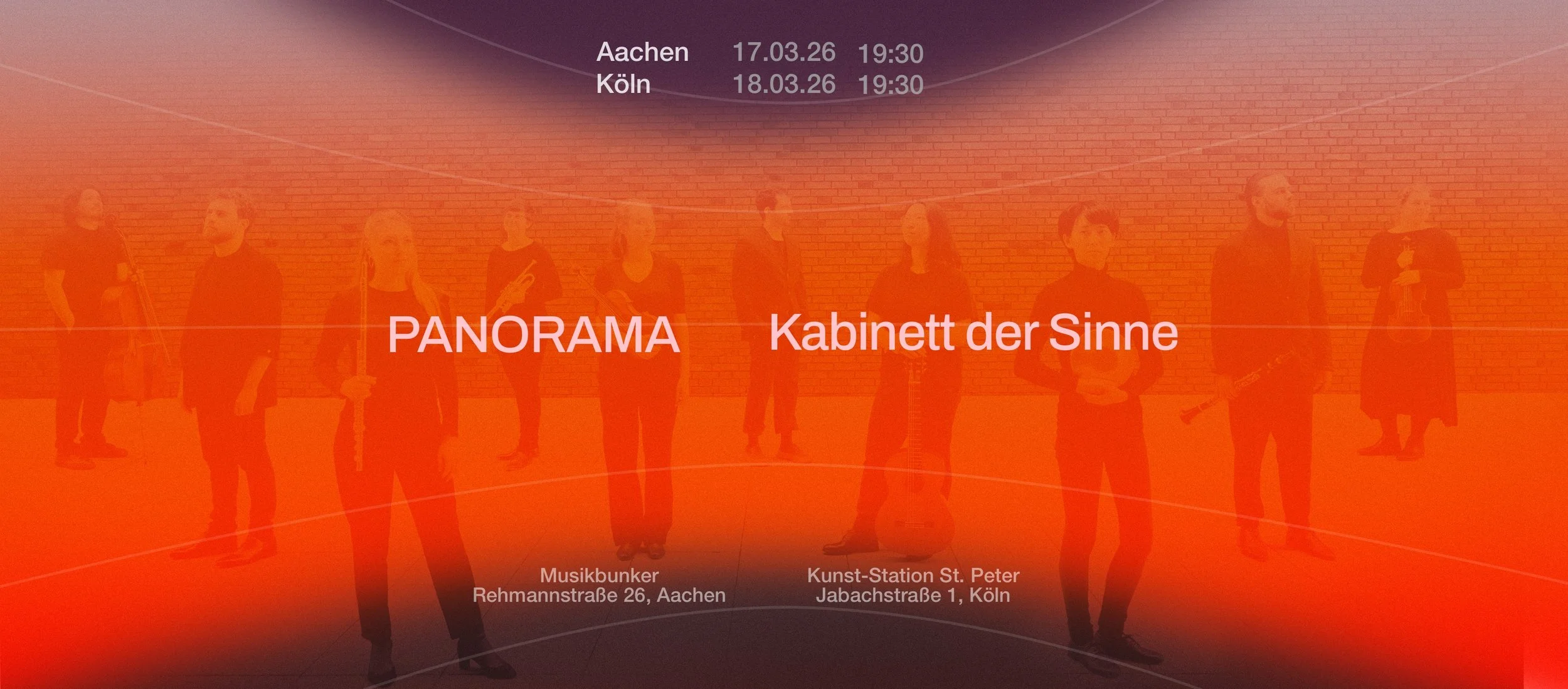
Kabinett der Sinne is not a conventional concert. It is closer to visiting an art exhibition, with the works presented as installations distributed throughout the space. The audience prepares for the evening with blood-red drinks, moves freely around the room, and sits on velvet cushions as they wish — an experience that engages all the senses and that listeners actively shape for themselves, while music remains firmly at its core.
Under the direction of Yorgos Ziavras, the ÉRMA Ensemble presents a diverse programme of contemporary music. In Cologne, the focus is on Unsuk Chin’s early, fairytale-like masterpiece Acrostic Wordplay, featuring Penny Sofroniadou in the virtuosic soprano role. In addition, the ensemble members perform in various formations and appear as soloists in several works.
Kabinett der sinne, Musikbunker Aachen
Kabinett der Sinne is not a conventional concert. It is closer to visiting an art exhibition, with the works presented as installations distributed throughout the space. The audience prepares for the evening with blood-red drinks, moves freely around the room, and sits on velvet cushions as they wish — an experience that engages all the senses and that listeners actively shape for themselves, while music remains firmly at its core.
Under the direction of Yorgos Ziavras, the ÉRMA Ensemble presents a diverse programme of contemporary music. In Cologne, the focus is on Unsuk Chin’s early, fairytale-like masterpiece Acrostic Wordplay, featuring Penny Sofroniadou in the virtuosic soprano role. In addition, the ensemble members perform in various formations and appear as soloists in several works.
Il BARBIERE DI SIVIGLIA, Oper wuppertal
Photo via opernhaus wuppertal, (C) Andrea Voß-Acker
Comic opera in two acts by Gioachino Rossini · Libretto by Cesare Sterbini, after the play by Pierre-Augustin Caron de Beaumarchais · Sung in Italian with German and English surtitles
"When the splendour of gold shines upon me, I feel as if I have been transformed!"
Rosina is young, beautiful—and destined to inherit a fortune. This makes her guardian, the aging bachelor Dr. Bartolo, eager to marry her himself as soon as she comes of age. But Rosina has other plans: her heart belongs to the dashing Count Almaviva. Determined to win her, the Count enlists the quick-witted barber Figaro, whose bold schemes and clever disguises set off a whirlwind of comic intrigue, outsmarting Bartolo at every turn.
Rossini’s Il barbiere di Siviglia remains one of opera’s greatest box-office successes, a masterpiece of wit, charm, and musical brilliance. Its sparkling overture and effervescent arias have enchanted audiences for over two centuries, inspiring even Heinrich Heine, who called Rossini’s music his “sparkling butterfly dreams… sweetly beguiling and kissing my heart as if with the lips of the Graces.” This is opera at its most joyous—an experience you simply cannot miss!
CAST
Music DIRECTOR | YORGOS ZIAVRAS
STAGING | MARIE ROBERT
Stage DESIGN | Maira Bieler
Costumes | Petra Korink
Chorus Master | Ulrich Zippelius
Dramaturgy | Laura Knoll
COUNT ALMAVIVA | CHARLES SY, A. G.
(29.11., 05.12., 13.12.25, 11.01., 15.03., 08.05., 11.06.26)
GRAF ALMAVIVA | JONGYOUNG KIM
(27.02., 10.03.26)
BARTOLO | OLIVER WEIDINGER
ROSINA | EDITH GROSSMAN
(29.11., 05.12., 13.12.25, 27.02., 10.03., 15.03., 11.06.26)
ROSINA | ROSAMOND THOMAS*
(11.01., 08.05.26)
FIGARO | ZACHARY WILSON
(29.11.25, 27.02., 10.03., 08.05., 11.06.26)
FIGARO | SONO YU*
(05.12., 13.12.25, 11.01., 15.03.26)
BASILIO | AGOSTINO SUBACCHI
BERTA | XÏA WANG, A. G.
FIORILLO | JAVIER HORACIO ZAPATA VERA
(29.11., 13.12.25, 27.02., 15.03., 11.06.26)
FIORILLO | DAVID JERUSALEM
(05.12.25, 11.01., 10.03., 08.05.26)
AN OFFICER | DAVID JERUSALEM
(29.11., 13.12.25, 27.02., 15.03., 11.06.26)
AN OFFICER | HAK-YOUNG LEE
(05.12.25, 11.01., 10.03., 08.05.26)
WITH THE MALE CHORUS OF WUPPERTALER THEATRE AND THE WUPPERTAL SYMPHONY ORCHESTRA
DATES
Premiere: 29 NOVEMBER, 19.30 CET
OTHER DATES: 8 MAY | 11 JUNE
THE LIGHT IN THE PIAZZA, OPER WUPPERTAL
© Andrea Voß-Acker VIA OPER WUPPERTAL
Musical · Music & lyrics by Adam Guettel
Book by Craig Lucas · German version by Roman Hinze
“And the beautiful thing is realizing that someone might be searching for someone like you.”
Sometimes a single gust of wind is enough to turn an entire life upside down. During their summer holiday in Tuscany, Clara happens to meet the charming Florentine Fabrizio Naccarelli: it is love at first sight! Despite being 26, the young woman has a childlike nature, and her mother watches over her with hawk-like vigilance. She believes her daughter requires special care. Yet this new situation puts the family dynamic to a difficult test.
The musical — based on the novel of the same name by Elizabeth Spencer — premiered on Broadway in 2005, where it was performed more than 500 times. With sensitivity and without pretension, it tells the story of a young woman who confidently finds her own way despite her supposed limitations, and of a mother whose fears prove to be the true obstacle.
CAST
MUSIC DIRECTOR | YORGOS ZIAVRAS
STAGE DIRECTOR | Carsten Kirchmeier
STAGING | Julia Schnittger
COSTUMES | Hedi Mohr
DRAMATURGY | Katharina Rückl
Margaret Johnson | EDITH GROSSMAN
Clara Johnson | Harriet Jones
Fabrizio Naccarelli | MERLIN WAGNER
Giuseppe Naccarelli | AGOSTINO SUBACCHI
Franca Naccarelli | N.N.
Signor Naccarelli | OLIVER WEIDIGNER
Signora Naccarelli | BANU SCHULT
Roy Johnson | N.N.
Il BARBIERE DI SIVIGLIA, Oper wuppertal
Photo via opernhaus wuppertal, (C) Andrea Voß-Acker
Comic opera in two acts by Gioachino Rossini · Libretto by Cesare Sterbini, after the play by Pierre-Augustin Caron de Beaumarchais · Sung in Italian with German and English surtitles
"When the splendour of gold shines upon me, I feel as if I have been transformed!"
Rosina is young, beautiful—and destined to inherit a fortune. This makes her guardian, the aging bachelor Dr. Bartolo, eager to marry her himself as soon as she comes of age. But Rosina has other plans: her heart belongs to the dashing Count Almaviva. Determined to win her, the Count enlists the quick-witted barber Figaro, whose bold schemes and clever disguises set off a whirlwind of comic intrigue, outsmarting Bartolo at every turn.
Rossini’s Il barbiere di Siviglia remains one of opera’s greatest box-office successes, a masterpiece of wit, charm, and musical brilliance. Its sparkling overture and effervescent arias have enchanted audiences for over two centuries, inspiring even Heinrich Heine, who called Rossini’s music his “sparkling butterfly dreams… sweetly beguiling and kissing my heart as if with the lips of the Graces.” This is opera at its most joyous—an experience you simply cannot miss!
CAST
Music DIRECTOR | YORGOS ZIAVRAS
STAGING | MARIE ROBERT
Stage DESIGN | Maira Bieler
Costumes | Petra Korink
Chorus Master | Ulrich Zippelius
Dramaturgy | Laura Knoll
COUNT ALMAVIVA | CHARLES SY, A. G.
(29.11., 05.12., 13.12.25, 11.01., 15.03., 08.05., 11.06.26)
GRAF ALMAVIVA | JONGYOUNG KIM
(27.02., 10.03.26)
BARTOLO | OLIVER WEIDINGER
ROSINA | EDITH GROSSMAN
(29.11., 05.12., 13.12.25, 27.02., 10.03., 15.03., 11.06.26)
ROSINA | ROSAMOND THOMAS*
(11.01., 08.05.26)
FIGARO | ZACHARY WILSON
(29.11.25, 27.02., 10.03., 08.05., 11.06.26)
FIGARO | SONO YU*
(05.12., 13.12.25, 11.01., 15.03.26)
BASILIO | AGOSTINO SUBACCHI
BERTA | XÏA WANG, A. G.
FIORILLO | JAVIER HORACIO ZAPATA VERA
(29.11., 13.12.25, 27.02., 15.03., 11.06.26)
FIORILLO | DAVID JERUSALEM
(05.12.25, 11.01., 10.03., 08.05.26)
AN OFFICER | DAVID JERUSALEM
(29.11., 13.12.25, 27.02., 15.03., 11.06.26)
AN OFFICER | HAK-YOUNG LEE
(05.12.25, 11.01., 10.03., 08.05.26)
WITH THE MALE CHORUS OF WUPPERTALER THEATRE AND THE WUPPERTAL SYMPHONY ORCHESTRA
DATES
Premiere: 29 NOVEMBER, 19.30 CET
OTHER DATES: 15 MARCH | 8 MAY | 11 JUNE
LA GRISELDA, OPER WUPPERTAL

PHOTO VIA WUPPERTALER OPER, (C) Andrea Voß-Acker
Dramma per musica in three acts by Antonio Vivaldi · Libretto by Carlo Goldoni, after Apostolo Zeno · Inspired by an episode from Il Decamerone by Giovanni Boccaccio · Sung in Italian with German and English surtitles
"Live in the certainty that the one who wrongs you will one day face just punishment."
The people rise against Queen Griselda, scandalized by her humble origins as a shepherdess. Her husband, King Gualtiero, determined to prove her virtue and pacify his subjects, devises a peculiar scheme: he renounces her and feigns marriage to a noblewoman of royal blood. Yet this bride, Costanza, is revealed to be their own daughter, given away at birth because she was a female firstborn. As expected, chaos and intrigue ensue before the truth is unveiled and order restored.
Rarely performed today, Vivaldi’s Griselda offers a unique musical experience. Its score brims with dazzling melodies and dramatic flair, each aria intricately tied to the psychological depth of its characters. This is opera at its most gripping—an evening of passion, virtuosity, and dramatic tension not to be missed.
CAST
MUSIC DIRECTOR | YORGOS ZIAVRAS
STAGE DIRECTOR | Mathilda du Tillieul McNicol
STAGING & COSTUMES | Noemi Daboczi
CHORUS MASTER | Ulrich Zippelius
DRAMATURGY | LAURA KNOLL
Michael Gibson, a. G. | Gualtiero
Sonja Runje, a. G. | Griselda
Rinnat Moriah, a. G. | Costanza
Gerben van der Werf, a. G. | Roberto
N. N.
Ottone
Marianna Ortugno* | Corrado
N. N.
Everardo
WITH THE OPERA CHOIR OF WuPPeRTAL THEATRE AND THE SYMPHONY ORCHESTRA OF WUPPERTAL
THE LIGHT IN THE PIAZZA, OPER WUPPERTAL
© Andrea Voß-Acker VIA OPER WUPPERTAL
Musical · Music & lyrics by Adam Guettel
Book by Craig Lucas · German version by Roman Hinze
“And the beautiful thing is realizing that someone might be searching for someone like you.”
Sometimes a single gust of wind is enough to turn an entire life upside down. During their summer holiday in Tuscany, Clara happens to meet the charming Florentine Fabrizio Naccarelli: it is love at first sight! Despite being 26, the young woman has a childlike nature, and her mother watches over her with hawk-like vigilance. She believes her daughter requires special care. Yet this new situation puts the family dynamic to a difficult test.
The musical — based on the novel of the same name by Elizabeth Spencer — premiered on Broadway in 2005, where it was performed more than 500 times. With sensitivity and without pretension, it tells the story of a young woman who confidently finds her own way despite her supposed limitations, and of a mother whose fears prove to be the true obstacle.
CAST
MUSIC DIRECTOR | YORGOS ZIAVRAS
STAGE DIRECTOR | Carsten Kirchmeier
STAGING | Julia Schnittger
COSTUMES | Hedi Mohr
DRAMATURGY | Katharina Rückl
Margaret Johnson | EDITH GROSSMAN
Clara Johnson | Harriet Jones
Fabrizio Naccarelli | MERLIN WAGNER
Giuseppe Naccarelli | AGOSTINO SUBACCHI
Franca Naccarelli | N.N.
Signor Naccarelli | OLIVER WEIDIGNER
Signora Naccarelli | BANU SCHULT
Roy Johnson | N.N.
Erwartung / Der Wald, OPER WUPPERTAL
© Björn Hickmann VIA WUPPERTAL OPER
Music drama with prologue and epilogue in one act by Ethel Smyth. Libretto by the composer.
In German with German surtitles.
“Fleeting is the pleasure of mortals.”
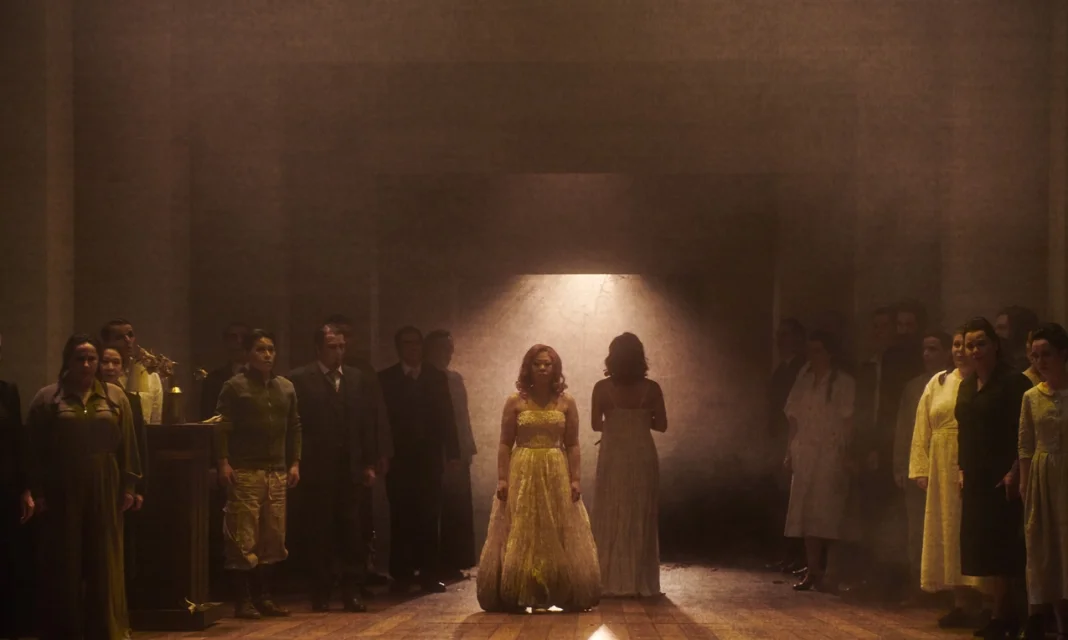
In ERWARTUNG, we follow a woman on her desperate search for her beloved through the nocturnal forest — an emotional rollercoaster.
DER WALD tells the story of Röschen and the woodcutter Heinrich, whose fate takes an unexpected turn on the eve of their wedding: the demonic Iolanthe desires Heinrich and seeks to force his love…
The mysterious forest served as a projection surface for both composers: Smyth uses it to reveal the constancy of nature as well as the transience of life. For Schönberg, the depth of the forest becomes a mirror of the dark abysses of the soul.
cast
MUSIC DIRECTOR | YORGOS ZIAVRAS
STAGE DIRECTOR | Manuel Schmitt
STAGING & COSTUMES | Julia Katharina Berndt
CHORUS MASTER | Ulrich Zippelius
DRAMATURGIE | LAURA KNOLL
Eine Frau | Hanna Larissa Naujoks, A. G.
Landgraf Rudolf | David Roy, a. G.
Jolanthe | Edith Grossman
Heinrich | Sangmin Jeon, a. G.
Peter | Agostino Subacchi
Röschen | Mariya Taniguchi, a. G.
Ein Hausierer | Zachary Wilson
Ein Bursche | Nika Dönges, Mira Ilina
Ein Jäger | Hak-Young Lee
WITH THE Wuppertal Symphony Orchestra, THE Opera Chorus of the Wuppertaler Bühnen AND THE Extra Choir of the Wuppertaler Bühnen
Il BARBIERE DI SIVIGLIA, Oper wuppertal
Photo via opernhaus wuppertal, (C) Andrea Voß-Acker
Comic opera in two acts by Gioachino Rossini · Libretto by Cesare Sterbini, after the play by Pierre-Augustin Caron de Beaumarchais · Sung in Italian with German and English surtitles
"When the splendour of gold shines upon me, I feel as if I have been transformed!"
Rosina is young, beautiful—and destined to inherit a fortune. This makes her guardian, the aging bachelor Dr. Bartolo, eager to marry her himself as soon as she comes of age. But Rosina has other plans: her heart belongs to the dashing Count Almaviva. Determined to win her, the Count enlists the quick-witted barber Figaro, whose bold schemes and clever disguises set off a whirlwind of comic intrigue, outsmarting Bartolo at every turn.
Rossini’s Il barbiere di Siviglia remains one of opera’s greatest box-office successes, a masterpiece of wit, charm, and musical brilliance. Its sparkling overture and effervescent arias have enchanted audiences for over two centuries, inspiring even Heinrich Heine, who called Rossini’s music his “sparkling butterfly dreams… sweetly beguiling and kissing my heart as if with the lips of the Graces.” This is opera at its most joyous—an experience you simply cannot miss!
CAST
Music DIRECTOR | YORGOS ZIAVRAS
STAGING | MARIE ROBERT
Stage DESIGN | Maira Bieler
Costumes | Petra Korink
Chorus Master | Ulrich Zippelius
Dramaturgy | Laura Knoll
COUNT ALMAVIVA | CHARLES SY, A. G.
(29.11., 05.12., 13.12.25, 11.01., 15.03., 08.05., 11.06.26)
GRAF ALMAVIVA | JONGYOUNG KIM
(27.02., 10.03.26)
BARTOLO | OLIVER WEIDINGER
ROSINA | EDITH GROSSMAN
(29.11., 05.12., 13.12.25, 27.02., 10.03., 15.03., 11.06.26)
ROSINA | ROSAMOND THOMAS*
(11.01., 08.05.26)
FIGARO | ZACHARY WILSON
(29.11.25, 27.02., 10.03., 08.05., 11.06.26)
FIGARO | SONO YU*
(05.12., 13.12.25, 11.01., 15.03.26)
BASILIO | AGOSTINO SUBACCHI
BERTA | XÏA WANG, A. G.
FIORILLO | JAVIER HORACIO ZAPATA VERA
(29.11., 13.12.25, 27.02., 15.03., 11.06.26)
FIORILLO | DAVID JERUSALEM
(05.12.25, 11.01., 10.03., 08.05.26)
AN OFFICER | DAVID JERUSALEM
(29.11., 13.12.25, 27.02., 15.03., 11.06.26)
AN OFFICER | HAK-YOUNG LEE
(05.12.25, 11.01., 10.03., 08.05.26)
WITH THE MALE CHORUS OF WUPPERTALER THEATRE AND THE WUPPERTAL SYMPHONY ORCHESTRA
DATES
Premiere: 29 NOVEMBER, 19.30 CET
OTHER DATES: 10, 15 MARCH | 8 MAY | 11 JUNE
Erwartung / Der Wald, OPER WUPPERTAL
© Björn Hickmann VIA WUPPERTAL OPER
Music drama with prologue and epilogue in one act by Ethel Smyth. Libretto by the composer.
In German with German surtitles.
“Fleeting is the pleasure of mortals.”
In ERWARTUNG, we follow a woman on her desperate search for her beloved through the nocturnal forest — an emotional rollercoaster.
DER WALD tells the story of Röschen and the woodcutter Heinrich, whose fate takes an unexpected turn on the eve of their wedding: the demonic Iolanthe desires Heinrich and seeks to force his love…
The mysterious forest served as a projection surface for both composers: Smyth uses it to reveal the constancy of nature as well as the transience of life. For Schönberg, the depth of the forest becomes a mirror of the dark abysses of the soul.
cast
MUSIC DIRECTOR | YORGOS ZIAVRAS
STAGE DIRECTOR | Manuel Schmitt
STAGING & COSTUMES | Julia Katharina Berndt
CHORUS MASTER | Ulrich Zippelius
DRAMATURGIE | LAURA KNOLL
Eine Frau | Hanna Larissa Naujoks, A. G.
Landgraf Rudolf | David Roy, a. G.
Jolanthe | Edith Grossman
Heinrich | Sangmin Jeon, a. G.
Peter | Agostino Subacchi
Röschen | Mariya Taniguchi, a. G.
Ein Hausierer | Zachary Wilson
Ein Bursche | Nika Dönges, Mira Ilina
Ein Jäger | Hak-Young Lee
WITH THE Wuppertal Symphony Orchestra, THE Opera Chorus of the Wuppertaler Bühnen AND THE Extra Choir of the Wuppertaler Bühnen
LA GRISELDA, OPER WUPPERTAL
PHOTO VIA WUPPERTALER OPER, (C) Andrea Voß-Acker
Dramma per musica in three acts by Antonio Vivaldi · Libretto by Carlo Goldoni, after Apostolo Zeno · Inspired by an episode from Il Decamerone by Giovanni Boccaccio · Sung in Italian with German and English surtitles
"Live in the certainty that the one who wrongs you will one day face just punishment."
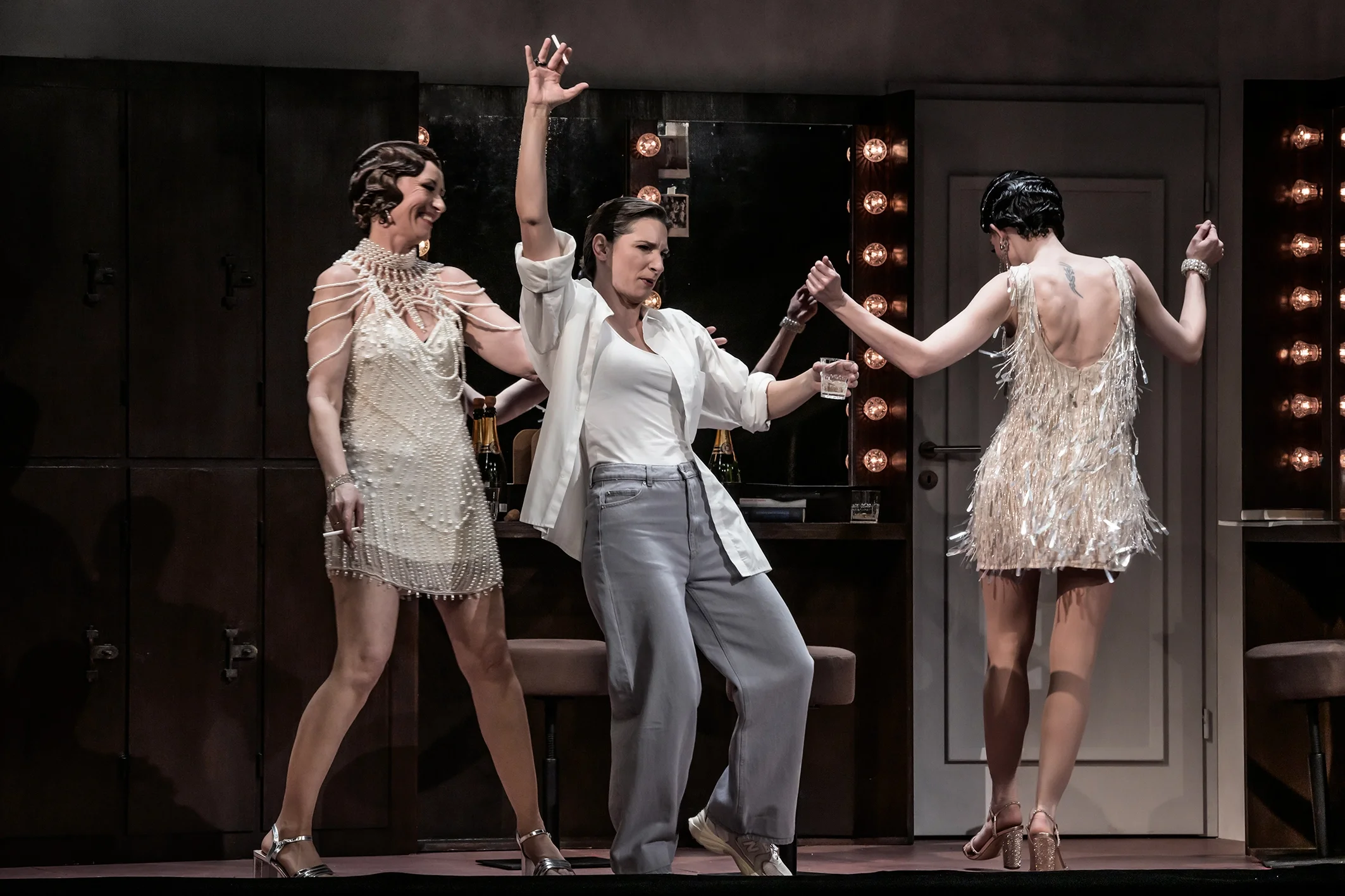
The people rise against Queen Griselda, scandalized by her humble origins as a shepherdess. Her husband, King Gualtiero, determined to prove her virtue and pacify his subjects, devises a peculiar scheme: he renounces her and feigns marriage to a noblewoman of royal blood. Yet this bride, Costanza, is revealed to be their own daughter, given away at birth because she was a female firstborn. As expected, chaos and intrigue ensue before the truth is unveiled and order restored.
Rarely performed today, Vivaldi’s Griselda offers a unique musical experience. Its score brims with dazzling melodies and dramatic flair, each aria intricately tied to the psychological depth of its characters. This is opera at its most gripping—an evening of passion, virtuosity, and dramatic tension not to be missed.
CAST
MUSIC DIRECTOR | YORGOS ZIAVRAS
STAGE DIRECTOR | Mathilda du Tillieul McNicol
STAGING & COSTUMES | Noemi Daboczi
CHORUS MASTER | Ulrich Zippelius
DRAMATURGY | LAURA KNOLL
Michael Gibson, a. G. | Gualtiero
Sonja Runje, a. G. | Griselda
Rinnat Moriah, a. G. | Costanza
Gerben van der Werf, a. G. | Roberto
N. N.
Ottone
Marianna Ortugno* | Corrado
N. N.
Everardo
WITH THE OPERA CHOIR OF WuPPeRTAL THEATRE AND THE SYMPHONY ORCHESTRA OF WUPPERTAL
Erwartung / Der Wald, OPER WUPPERTAL
© Björn Hickmann VIA WUPPERTAL OPER
Music drama with prologue and epilogue in one act by Ethel Smyth. Libretto by the composer.
In German with German surtitles.
“Fleeting is the pleasure of mortals.”
In ERWARTUNG, we follow a woman on her desperate search for her beloved through the nocturnal forest — an emotional rollercoaster.
DER WALD tells the story of Röschen and the woodcutter Heinrich, whose fate takes an unexpected turn on the eve of their wedding: the demonic Iolanthe desires Heinrich and seeks to force his love…
The mysterious forest served as a projection surface for both composers: Smyth uses it to reveal the constancy of nature as well as the transience of life. For Schönberg, the depth of the forest becomes a mirror of the dark abysses of the soul.
cast
MUSIC DIRECTOR | YORGOS ZIAVRAS
STAGE DIRECTOR | Manuel Schmitt
STAGING & COSTUMES | Julia Katharina Berndt
CHORUS MASTER | Ulrich Zippelius
DRAMATURGIE | LAURA KNOLL
Eine Frau | Hanna Larissa Naujoks, A. G.
Landgraf Rudolf | David Roy, a. G.
Jolanthe | Edith Grossman
Heinrich | Sangmin Jeon, a. G.
Peter | Agostino Subacchi
Röschen | Mariya Taniguchi, a. G.
Ein Hausierer | Zachary Wilson
Ein Bursche | Nika Dönges, Mira Ilina
Ein Jäger | Hak-Young Lee
WITH THE Wuppertal Symphony Orchestra, THE Opera Chorus of the Wuppertaler Bühnen AND THE Extra Choir of the Wuppertaler Bühnen
LA GRISELDA, OPER WUPPERTAL
PHOTO VIA WUPPERTALER OPER, (C) Andrea Voß-Acker
Dramma per musica in three acts by Antonio Vivaldi · Libretto by Carlo Goldoni, after Apostolo Zeno · Inspired by an episode from Il Decamerone by Giovanni Boccaccio · Sung in Italian with German and English surtitles
"Live in the certainty that the one who wrongs you will one day face just punishment."
The people rise against Queen Griselda, scandalized by her humble origins as a shepherdess. Her husband, King Gualtiero, determined to prove her virtue and pacify his subjects, devises a peculiar scheme: he renounces her and feigns marriage to a noblewoman of royal blood. Yet this bride, Costanza, is revealed to be their own daughter, given away at birth because she was a female firstborn. As expected, chaos and intrigue ensue before the truth is unveiled and order restored.
Rarely performed today, Vivaldi’s Griselda offers a unique musical experience. Its score brims with dazzling melodies and dramatic flair, each aria intricately tied to the psychological depth of its characters. This is opera at its most gripping—an evening of passion, virtuosity, and dramatic tension not to be missed.
CAST
MUSIC DIRECTOR | YORGOS ZIAVRAS
STAGE DIRECTOR | Mathilda du Tillieul McNicol
STAGING & COSTUMES | Noemi Daboczi
CHORUS MASTER | Ulrich Zippelius
DRAMATURGY | LAURA KNOLL
Michael Gibson, a. G. | Gualtiero
Sonja Runje, a. G. | Griselda
Rinnat Moriah, a. G. | Costanza
Gerben van der Werf, a. G. | Roberto
N. N.
Ottone
Marianna Ortugno* | Corrado
N. N.
Everardo
WITH THE OPERA CHOIR OF WuPPeRTAL THEATRE AND THE SYMPHONY ORCHESTRA OF WUPPERTAL
LA GRISELDA, OPER WUPPERTAL
PHOTO VIA WUPPERTALER OPER, (C) Andrea Voß-Acker
Dramma per musica in three acts by Antonio Vivaldi · Libretto by Carlo Goldoni, after Apostolo Zeno · Inspired by an episode from Il Decamerone by Giovanni Boccaccio · Sung in Italian with German and English surtitles
"Live in the certainty that the one who wrongs you will one day face just punishment."
The people rise against Queen Griselda, scandalized by her humble origins as a shepherdess. Her husband, King Gualtiero, determined to prove her virtue and pacify his subjects, devises a peculiar scheme: he renounces her and feigns marriage to a noblewoman of royal blood. Yet this bride, Costanza, is revealed to be their own daughter, given away at birth because she was a female firstborn. As expected, chaos and intrigue ensue before the truth is unveiled and order restored.
Rarely performed today, Vivaldi’s Griselda offers a unique musical experience. Its score brims with dazzling melodies and dramatic flair, each aria intricately tied to the psychological depth of its characters. This is opera at its most gripping—an evening of passion, virtuosity, and dramatic tension not to be missed.
CAST
MUSIC DIRECTOR | YORGOS ZIAVRAS
STAGE DIRECTOR | Mathilda du Tillieul McNicol
STAGING & COSTUMES | Noemi Daboczi
CHORUS MASTER | Ulrich Zippelius
DRAMATURGY | LAURA KNOLL
Michael Gibson, a. G. | Gualtiero
Sonja Runje, a. G. | Griselda
Rinnat Moriah, a. G. | Costanza
Gerben van der Werf, a. G. | Roberto
N. N.
Ottone
Marianna Ortugno* | Corrado
N. N.
Everardo
WITH THE OPERA CHOIR OF WuPPeRTAL THEATRE AND THE SYMPHONY ORCHESTRA OF WUPPERTAL